Field Notes · Vol. 02 · Land Ownership & Family Security · 5–6 min read · July 27, 2026
Farmland Is Increasing in Value. Does That Make Your Family More Secure?
Letter 02 · By ACRES KEPT
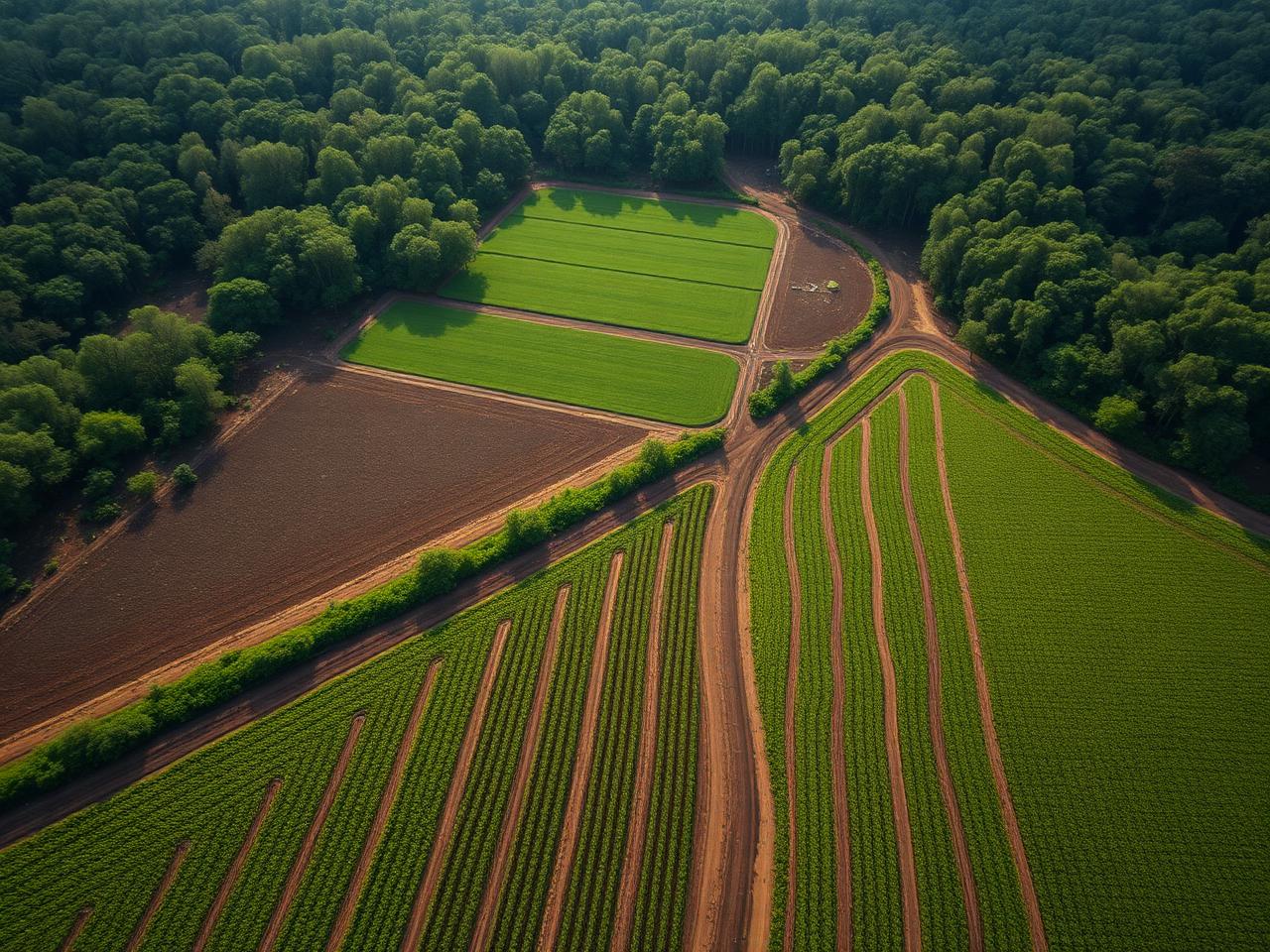
Across the United States, farmland continues to increase in value. For families who already own rural property, that can sound like reassuring news.
But a more valuable property does not automatically create a more secure family.
Land can appreciate while ownership remains unclear. It can be worth more on paper while producing little income. It can attract attention from buyers, developers, and investors before the family is prepared to decide. It can also create new tension among relatives who see the land differently.
The better question is not simply:
How much is our land worth?
It is:
Has the increase in value strengthened our family’s position?
Farmland values remain strong
According to the U.S. Department of Agriculture’s Economic Research Service, the average value of U.S. farmland reached approximately $4,350 per acre in 2025, an increase of 4.3% from the prior year. USDA also reports that farm real estate remains the largest asset on the farm-sector balance sheet.
Land is not only a place to farm. It is a store of wealth, a source of collateral, a family inheritance, and increasingly an asset sought by investors.
AcreTrader and similar firms have brought new attention to farmland as an investment class, publishing on appreciation, income, water access, and long-term performance. That investor perspective matters for families to understand.
An investor may see a scarce and appreciating asset. A family may see a homeplace, a grandparent’s sacrifice, timber planted decades ago, a possible farm, or something intended for future generations. Both may recognize that the land is valuable, but they may define that value very differently.
Rising value is not the same as usable wealth
Imagine a family that owns 100 acres once worth $2,000 per acre. Today, nearby sales suggest it may be worth $4,000 per acre — on paper, a jump from $200,000 to $400,000.
That appears to be a significant gain in family wealth. But the increase raises important questions. Does the family have clear title? Are property taxes current? Do all the owners know they have an interest? Is there a plan for what happens when a current owner dies? Is the property producing enough income to cover its costs?
A property can be worth a great deal and still be difficult to use, finance, improve, protect, or transfer.
That is what ACRES KEPT describes as stranded land value: value that exists but is not fully available to support the family because ownership, planning, information, or decision-making is incomplete.
The land may be valuable. The family may still be vulnerable.
Higher value can bring greater pressure
When land values rise, people notice.
A family may begin receiving letters, calls, or unsolicited offers. A neighboring landowner may want to expand. A timber company may show interest. A developer may see future residential or commercial potential. A solar company may want a long-term lease.
An offer can feel especially attractive when the land has not produced much income. But an unsolicited offer does not necessarily reflect the property’s full value. It may not account for timber, water, road access, development pressure, conservation value, mineral rights, or location.
Buyers often study a property more carefully than the owners have. Not every offer is predatory, but families are better protected when they understand what they own before being asked to decide.
Ownership problems can limit the benefit of appreciation
Heirs’ property is one of the clearest examples of why rising land value does not automatically create security.
Heirs’ property generally develops when land passes to multiple relatives without a will or a properly completed estate process. Over time, ownership can become divided among many descendants, each holding an undivided interest in the entire property.
The family may collectively own valuable land, but it may be difficult to make major decisions. Some heirs may be unknown, deceased, unreachable, or unaware of their ownership interest.
The Center for Heirs’ Property Preservation focuses on helping families prevent land loss, resolve ownership issues, and unlock the economic potential of family land.
Clear ownership is not only about preventing a forced sale. It can also affect whether a family can pursue financing, conservation programs, forestry opportunities, leases, or a responsible transfer. A rising market does not solve an unstable ownership structure. In some cases, it makes the consequences of that instability more serious.
A more valuable property can cost more to keep
Appreciation can also create financial pressure. Families may face higher taxes, insurance costs, maintenance expenses, or expectations from relatives who want their share in cash.
One family member may want to preserve the land. Another may want to sell. A third may keep it only if someone else covers the taxes and upkeep.
This is how a family can become land rich and cash poor. The asset may be valuable, but the owners may not have the income, agreements, or structure to manage it over time.
Security depends on more than market value.
What greater land security looks like
Land is more likely to strengthen a family when the owners understand who legally owns it, what the property is reasonably worth, what risks could threaten ownership, what the land can realistically support, how expenses will be paid, how decisions will be made, and what should happen in the next generation.
These questions do not have one universal answer. Some families may want to keep the property intact. Others may pursue farming, forestry, conservation, leasing, or recreation. Some may eventually transfer the land to another family member or a responsible steward.
The important point is that the decision should be informed, deliberate, and consistent with the family’s goals. American Farmland Trust emphasizes that successful land transfer requires planning, communication, financial understanding, and trusted professional guidance — and recognizes that land decisions are often tied to identity, history, and hopes for the future.
Five questions families should be asking
As farmland values rise, families should begin with five questions:
- Who legally owns the land today?
- What is the property reasonably worth, and what contributes to that value?
- What does the family want the land to make possible over the next 10 to 25 years?
- What legal, financial, tax, or family issues could place the property at risk?
- Is the family prepared to make a major decision if an opportunity or crisis arises?
The purpose is not to force an immediate answer. It is to reveal whether the family is in a position to make a good one.
The ACRES KEPT perspective
Farmland appreciation should be understood as an opportunity, but not mistaken for security.
A family becomes more secure when it understands what it owns, recognizes areas of vulnerability, makes decisions before a crisis, and creates a responsible plan for continued ownership, use, or transfer.
The market may determine what someone is willing to pay for the acres. The family must determine what those acres are meant to preserve, produce, and make possible.
Land increasing in value is good news. Turning that value into lasting family strength requires preparation, stewardship, and a plan.
Sources Referenced
- U.S. Department of Agriculture Economic Research Service — farmland values and farm-sector asset data
- AcreTrader Learning Center — farmland investment and due-diligence resources
- Center for Heirs’ Property Preservation
- American Farmland Trust — land-transfer and succession resources
Field Notes provides general educational information and does not constitute legal, financial, tax, investment, agricultural, or real estate advice.
Go Deeper With ACRES KEPT
ACRES KEPT members can connect this public insight to additional interpretation, education, readiness resources, guided tools, and member-only intelligence designed for landowners and prospective stewards.
Explore ACRES KEPT Membership →